An accessibility solution built on real-world experience, designed to last.

An independently owned, women-owned company built on years of work in education, state government, and the private sector. CurbEffect helps institutions build accessibility into their public documents — not as an alternate format, but as part of the document itself. ADA Title II's compliance deadlines have been delayed; the work of making documents accessible shouldn't wait.

From First Hand Experience to Sharing a Lasting Solution

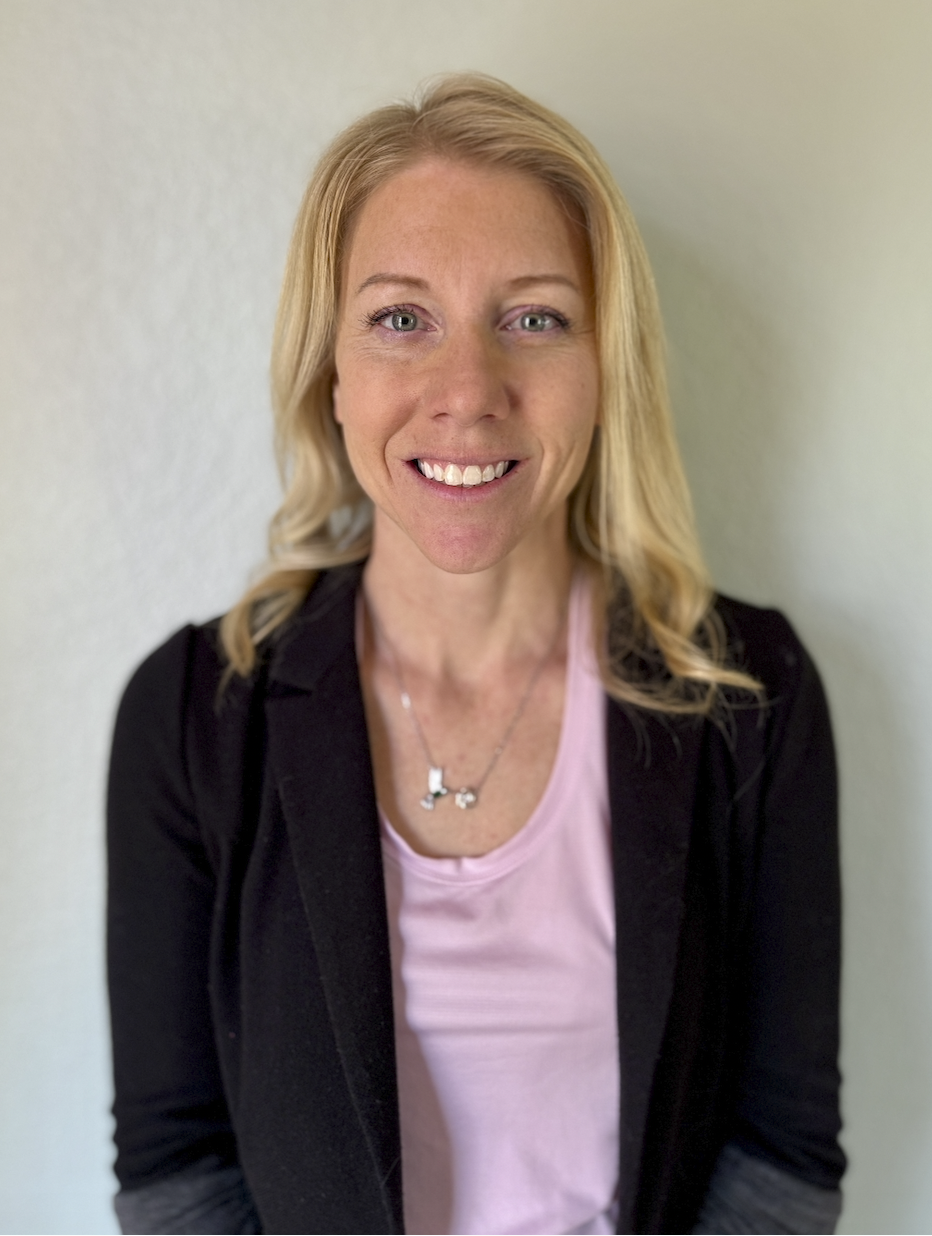
Erica McDevitt, founder of CurbEffect

Erica

Founder, CurbEffect

The Technical Journey

Welcome, everyone! CurbEffect was founded by me, Erica. My path winds through mathematics, education, government, and the private sector. As an undergraduate I was selected for the National Science Foundation's Research Experience for Undergraduates program and co-authored "Zero-Divisor Semi-groups and triangulated graphs," published in the Rocky Mountain Journal of Mathematics in 2010, presenting the work in colloquia at Grand Valley State University and Bradley University. I then taught secondary mathematics for nine years while pursuing doctoral study in math, taught myself programming, served two years as an application engineer for state government, and spent five years in a private-sector engineering role grounded in vector calculus. I returned to state government five years ago to focus on document accessibility — building a pipeline that turned a state legislature's bill documents into accessible HTML versions, customized to that body's particular formatting and legal conventions. That work is what led to CurbEffect.
The Motivation

During the process of building that pipeline, I saw the same issues repeatedly: the same accessibility barriers, the same formatting challenges, the same questions from users. I saw how much of the work was manual and repetitive, and how much of it could be automated without sacrificing quality — if only there were a tool designed for it. I also saw how many institutions were in the same boat: with large backlogs of inaccessible documents, ongoing publication needs, and no clear path forward. CurbEffect was born to fill that gap: to provide an immediate, lasting solution for institutions' historical and ongoing public documents, while buying time for long-term change.

The Name

Through my studies of accessibility in education, I learned about the concept of the "curb cut effect" — the phenomenon where accessibility improvements designed for a specific group end up benefiting a much wider audience. Curb cuts, for example, were designed to help wheelchair users navigate sidewalks, but they also make life easier for parents with strollers, travelers with rolling luggage, delivery workers, and more. The name "CurbEffect" reflects our mission to create that kind of ripple effect in document accessibility: to build solutions that not only meet the needs of people with disabilities but also improve the experience of all users who interact with public documents. As a mother of two young children, I see barriers in the real world all the time - when my son can't reach the soap dispenser in a public restroom, when my other son can't open the heavy door without help. I want to build solutions that make life easier for everyone.

Where we're headed

When I look at the current landscape of accessibility vendors, I've consistently seen the same gap from most (if not all). Many of them are focused on remediating the resulting documents of a process that isn't designed for accessibility — the PDFs, Word docs, and other formats that institutions are already producing. They don't have a solution for the root of the problem: the document creation process itself. I created CurbEffect to address this gap. We're focused on building a customized tool that integrates into that process, so that accessibility is built in from the start — not added on as an afterthought. My vision is to create a service that would make it possible for all public documents to be accessible by design. Where institutions can meet their compliance obligations without sacrificing quality or efficiency.

Life Outside Work

When I'm not working on accessibility, I'm out adventuring with my husband and energetic boys, backpacking in the mountains, and reminding myself that the world is bigger than a tag tree.

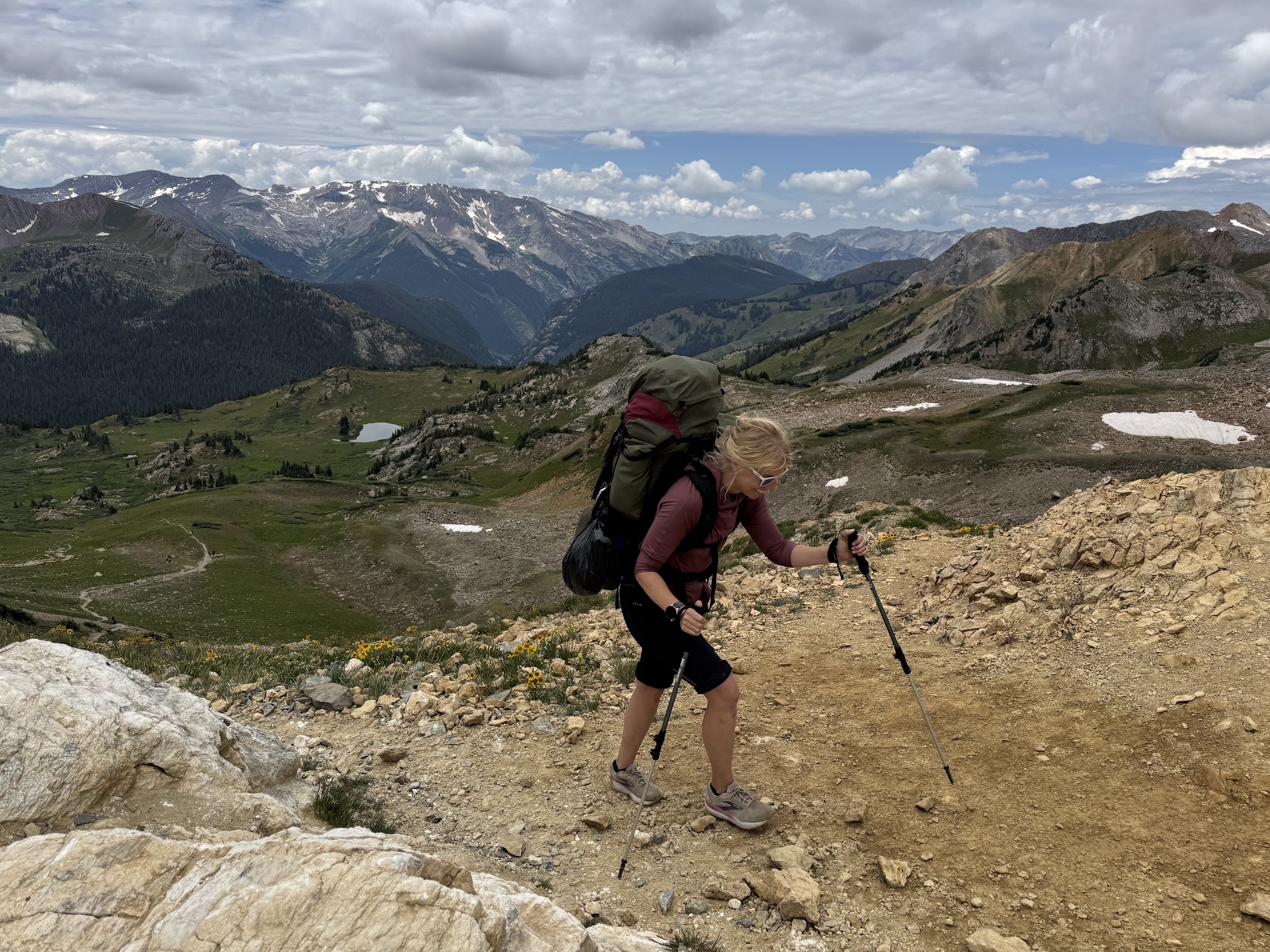
Erica hiking with a backpack in Aspen, Colorado near the Maroon Bells
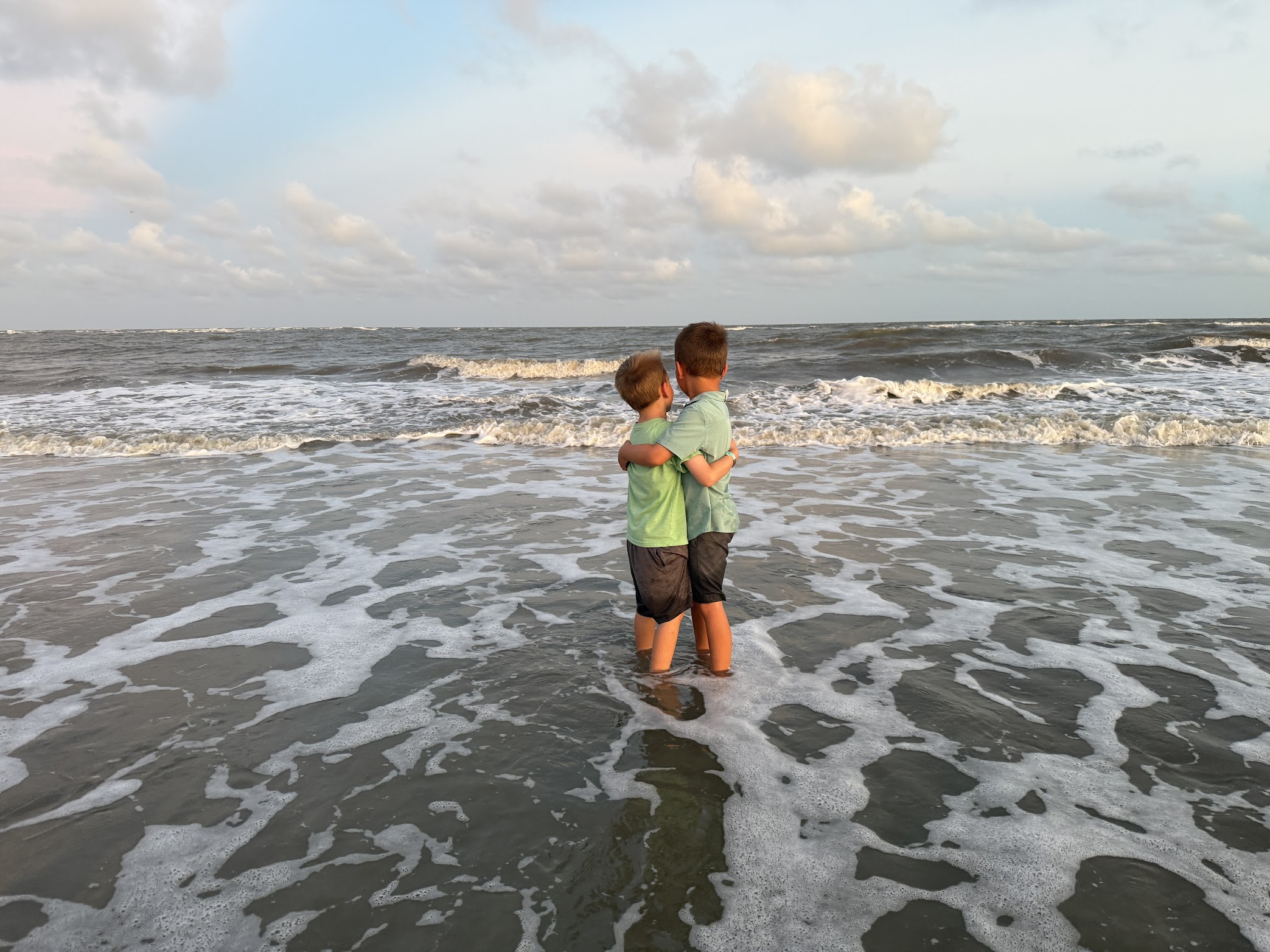
Erica with her two boys
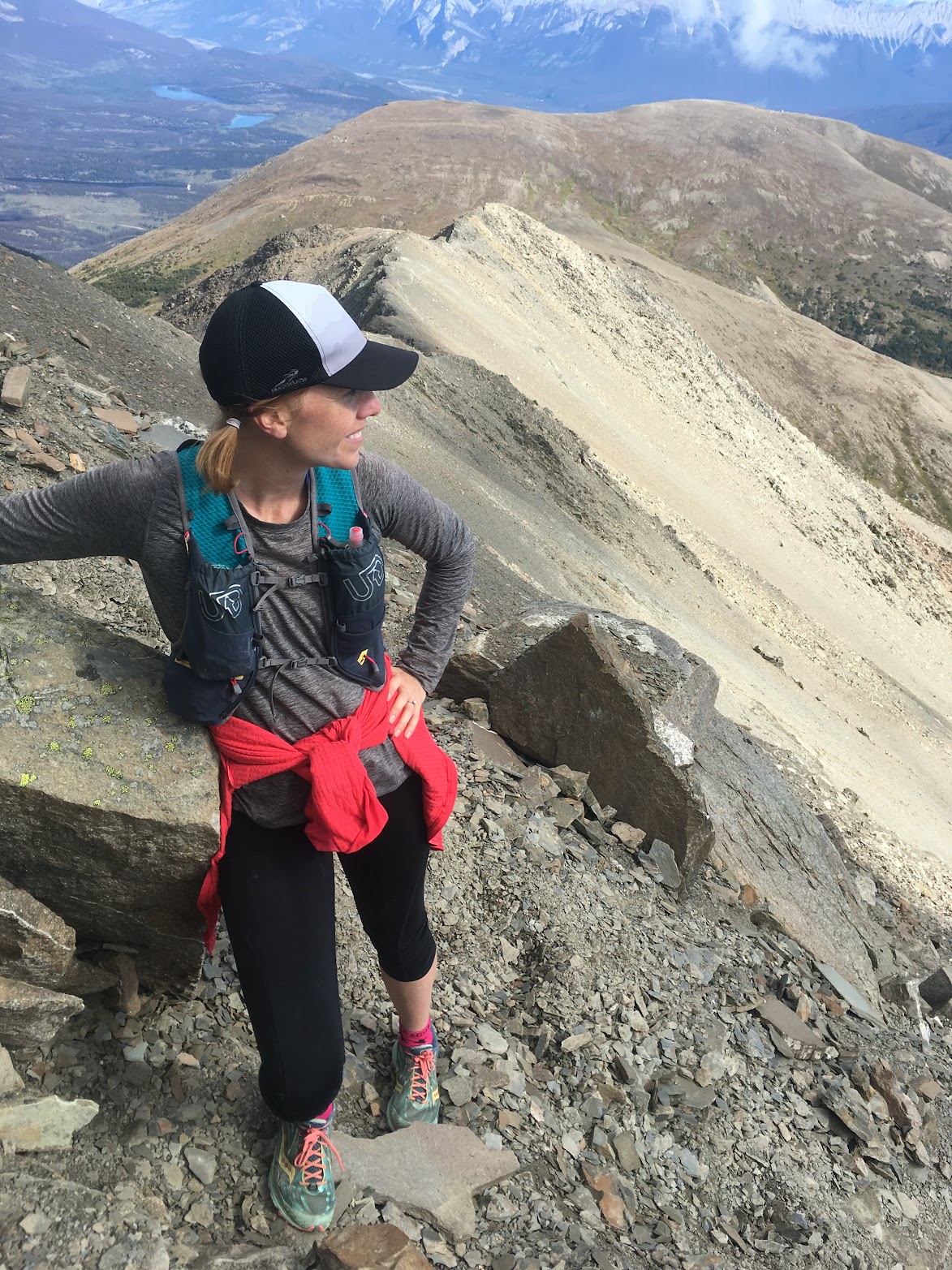
Erica in Jasper National Park in Alberta, Canada with mountains in the background